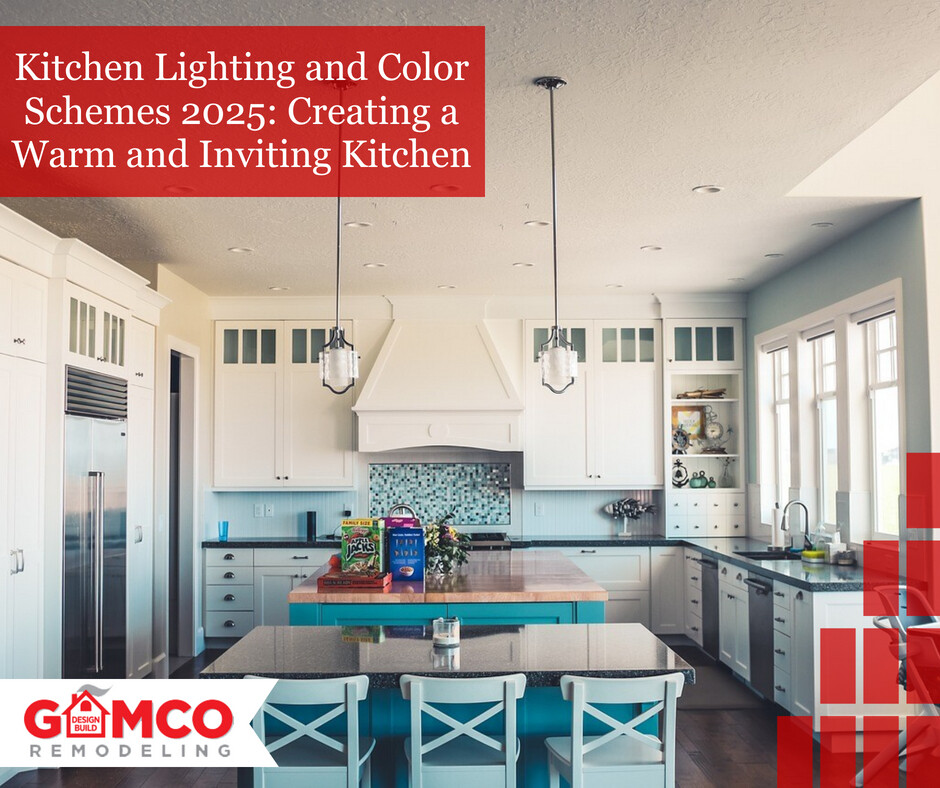
Your kitchen is more than just a place to prepare meals—it’s the heart of the home, where family gathers, friends chat, and memories are made. To create a kitchen that feels warm and inviting, two essential elements must work together in harmony: lighting and color. These features not only affect the look and feel of the space but also its functionality. Whether you’re remodeling or just looking to refresh the space, this guide will help you explore lighting strategies and kitchen color ideas that transform your kitchen into a cozy and welcoming retreat.
Why Lighting and Color Matter in the Kitchen
Lighting sets the mood and enhances the colors you choose. Together, lighting and color can make a small kitchen feel larger, a cold kitchen feel cozier, and a dark kitchen feel brighter. In a space that serves so many purposes—from cooking to entertaining—getting these two elements right is crucial.
Layer Your Kitchen Lighting
A single overhead fixture is no longer enough to effectively light a modern kitchen. To create a balanced, warm, and welcoming feel, layer different types of lighting:
1. Ambient Lighting
This is your general lighting—the base layer that illuminates the whole room. Ceiling-mounted fixtures, recessed lights, or a central chandelier all work well as ambient lighting. For a soft and cozy glow, opt for warm-white LED bulbs (around 2700K to 3000K).
2. Task Lighting
Focus on function with task lighting in high-use areas like over the sink, stove, or countertop prep zones. Under-cabinet lighting is a popular choice here. LED strip lights are discreet, energy-efficient, and add a touch of elegance.
3. Accent Lighting
Accent lighting adds depth and personality. Use pendant lights above an island or dining nook to add a stylish focal point. You can also install lighting inside glass-front cabinets or along toe kicks for an added layer of sophistication.
4. Natural Light
Don’t underestimate the power of sunlight. Large windows, glass doors, or even a skylight can dramatically change how your kitchen feels throughout the day. Light also affects how your chosen kitchen color ideas will look at different times.
Warm Kitchen Color Ideas to Inspire You
Color has a psychological effect on mood, and in a kitchen, you want it to evoke comfort, happiness, and warmth. Here are some kitchen color ideas to help you craft that inviting ambiance:
1. Soft Neutrals
Cream, warm white, and taupe tones offer timeless appeal. They create a calm, clean backdrop that works well with almost any lighting style. Pair warm neutrals with natural wood tones and brass fixtures for a cozy yet elegant look.
2. Earthy Greens
Green is a top trend in kitchens for its natural, grounding quality. Sage, olive, and moss green shades feel earthy and serene. These hues work beautifully with warm wood cabinetry, terracotta accents, and matte black hardware.
Explore more green kitchen inspiration here.
3. Moody Blues
Navy and deep denim tones add depth and richness to a kitchen, especially when contrasted with white countertops and gold lighting fixtures. These cooler shades can still feel warm when paired with soft lighting and warm-toned decor.
4. Sun-Washed Yellows
Nothing says “warm and inviting” like a soft yellow. Whether it’s a buttery pale shade or a muted mustard tone, yellow adds cheerfulness and vintage charm. Use it on cabinets, backsplashes, or even painted wooden floors for a unique pop.
5. Blush and Terracotta Tones
For a more modern take on warmth, consider peach, blush, or terracotta. These pinkish earth tones create a cozy yet trendy atmosphere, especially when mixed with brass, copper, or walnut accents.
6. Two-Tone Combinations
Combine upper and lower cabinets in different shades—think white on top and navy or forest green on the bottom—to create contrast and dimension. This method allows for both a bright, open feel and a grounded, cozy base.
Check out beautiful two-tone kitchen examples here.
Choosing the Right Finishes
Color doesn’t end with paint—your finishes matter too. The warmth or coolness of your countertops, cabinetry, flooring, and backsplash all contribute to the overall color palette. Natural stone, butcher block, and tile all offer a range of tones that can enhance your chosen color scheme.
When selecting finishes, bring samples into your kitchen to see how they look under your actual lighting conditions. What looks warm in a showroom may appear different in your space, especially under artificial or natural light.
Tips for Tying It All Together
- Balance warm and cool elements: If you’re using cool wall colors, bring in warmth through lighting, wood finishes, or warm-toned decor.
- Use lighting to highlight color: Under-cabinet lighting can bring out the richness of your backsplash or countertops.
- Coordinate hardware and fixtures: Choose warm metals like brass, copper, or bronze to complement your color palette and add warmth.
- Keep it cohesive: Choose a consistent color temperature for your lighting (2700K–3000K) to create a harmonious look across your ambient and task lighting.
Final Thoughts
Designing a warm and inviting kitchen isn’t just about choosing the right paint color or light fixtures—it’s about making every element work together. By carefully selecting a color scheme that reflects your style and layering lighting for both function and mood, you can turn your kitchen into a space that feels as good as it looks.
Need help finding the perfect kitchen color ideas for your home? Browse more color palette inspiration here.
With a little planning and creativity, your kitchen can be transformed into a cozy, welcoming hub where everyone wants to gather.